New construction projects require a careful balance of planning, coordination, and specialized work to bring a structure from concept to completion. Every stage of the process depends on essential services that work together to ensure safety, efficiency, and long-term durability. From preparing the land to adding the final interior touches, each step plays a meaningful role in the finished building.
When these services are properly scheduled and managed, the construction process runs more smoothly and avoids unnecessary delays or rework. Clear communication between contractors and engineers also helps keep everything aligned with the project goals. Without this coordination, even small issues can impact the overall timeline and budget. This guide highlights the most important services involved in new construction projects and how they contribute to a successful build.
HVAC Services
HVAC systems are a major part of any new construction project because they directly affect indoor comfort and energy efficiency. Planning for heating, ventilation, and cooling begins early to ensure the system is properly sized for the building. Contractors design ductwork and airflow routes that help maintain consistent temperatures throughout all areas. These systems must be carefully integrated with the building’s structure so they do not interfere with electrical or plumbing installations.
Energy efficiency is also a key focus, helping reduce long-term utility costs while maintaining comfort. In some projects, professional contractors like Airco are involved in delivering and installing HVAC solutions that meet performance and design requirements. These systems are carefully tested to ensure they operate efficiently under different seasonal conditions. Proper installation also helps extend the lifespan of the equipment while maintaining consistent indoor air quality.
Electrical Services
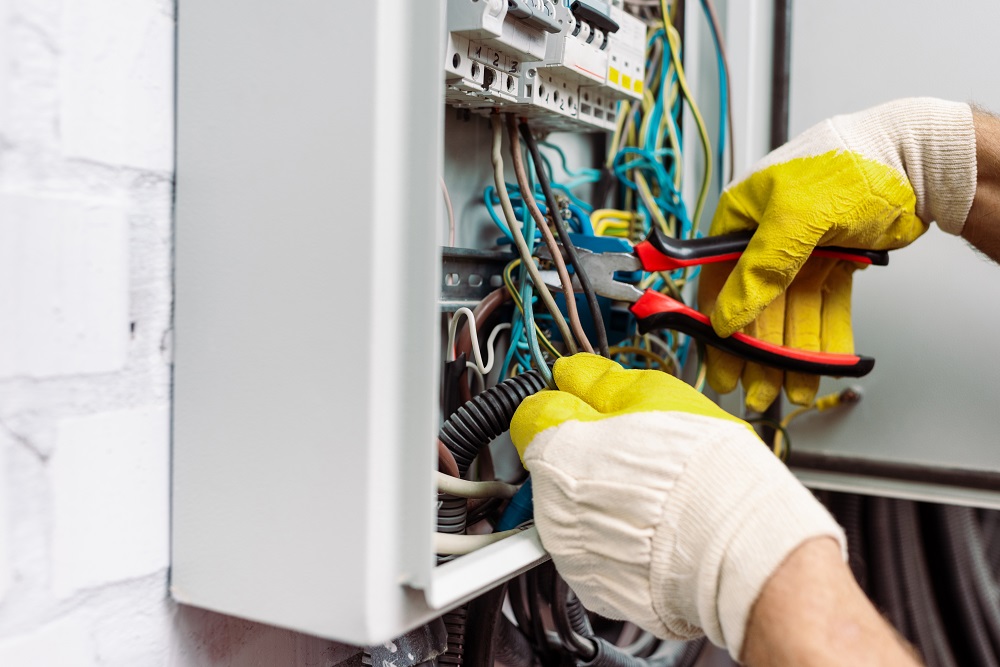
Electrical work is one of the most critical components in modern construction because it powers nearly every system in the building. Proper planning ensures that wiring layouts are designed to handle both current needs and future expansion. Licensed electricians install breaker panels, lighting systems, outlets, and safety devices according to strict building codes. This stage requires close coordination with HVAC and plumbing teams to prevent conflicts within walls, ceilings, and floors.
Safety is always a top priority, as correct installation reduces risks such as electrical failures or hazards. The process of new construction electrical services ensures that all power systems are safely integrated from the beginning of the project. A well-executed electrical system provides reliability, efficiency, and long-term functionality for the entire building.
Plumbing Systems
Plumbing systems are essential for delivering clean water and safely removing wastewater throughout the building. The planning process begins early to determine the most efficient pipe routes and fixture placements. Contractors install sinks, toilets, showers, and water heaters according to the building’s design and usage needs. Drainage systems are carefully engineered to prevent leaks, blockages, and water damage over time.
Like other trades, plumbing teams must coordinate closely with electrical and HVAC contractors to ensure proper spacing and access. Regular inspections during installation help ensure compliance with safety codes and quality standards. A properly designed plumbing system supports hygiene, comfort, and long-term structural protection.
Site Preparation and Foundation Work
Site preparation marks the true beginning of physical construction and sets the stage for everything that follows. This phase involves clearing vegetation, leveling the land, and evaluating soil conditions to ensure stability. Once the site is ready, foundation work begins and serves as the structural base of the entire building. Engineers design foundations based on load requirements, environmental conditions, and building size.
Proper drainage planning is included to help protect the structure from future water-related issues. Heavy equipment and skilled operators are used to ensure precision during excavation and concrete placement. A strong foundation is essential because it supports the safety and durability of every part of the building above it.
Structural Framing and Roofing
Once the foundation is complete, structural framing begins to give the building its shape and support system. Contractors use wood or steel framing depending on the design, budget, and building type. Walls, floors, and roof structures are carefully assembled according to engineering plans. After framing is completed, roofing systems are installed to protect the structure from weather and environmental exposure.
Roofing also plays a role in insulation and energy efficiency, helping regulate indoor temperatures. Throughout this stage, coordination with electrical and HVAC teams continues to ensure proper system placement. Strong framing and roofing work provide the essential structure needed for long-term stability and safety.
Electrical and Mechanical Coordination
As construction progresses, coordination between electrical and mechanical systems becomes increasingly important. This includes aligning HVAC ductwork, plumbing lines, and electrical wiring within shared structural spaces. Proper planning helps avoid overcrowding inside walls and ensures easy access for maintenance in the future.
Contractors often hold coordination meetings to resolve design conflicts before installation begins. This stage is critical for preventing costly changes later in the project. Careful integration of these systems improves overall efficiency and performance of the building. When done correctly, it creates a well-organized infrastructure hidden within the structure.
Interior and Finishing Services
Interior finishing work transforms the structure into a functional and comfortable living or working space. This stage includes drywall installation, painting, flooring, ceiling work, and final surface treatments. Contractors focus on precision to ensure clean finishes and a polished appearance throughout the building.
Fixtures such as lighting, cabinetry, doors, and trim are installed to complete the interior design. Each trade must work in sequence to avoid damaging completed work from earlier stages. Attention to detail is especially important because finishing work defines the overall look and feel of the space. High-quality interior services enhance both usability and property value.
Exterior and Site Development Services
Exterior services complete the building by improving both its appearance and functionality outside the structure. This includes siding installation, exterior painting, landscaping, and driveway construction. Drainage systems are installed to protect the property from water accumulation and erosion.
Contractors choose durable materials that can withstand local weather conditions and long-term exposure. Outdoor features such as walkways, fencing, and lighting are added to improve accessibility and safety. Coordination with earlier site preparation ensures smooth transitions between built and natural areas. A well-developed exterior enhances curb appeal and completes the overall construction project.
Conclusion
New construction projects are successful only when all essential services work together in a carefully planned sequence. From the initial site preparation to the final interior and exterior finishes, each stage contributes to the strength, safety, and functionality of the building. HVAC systems, electrical installations, plumbing, and structural work must all be properly coordinated to avoid delays and ensure quality results. Attention to detail and clear communication between contractors help keep the project on track.
When each service is executed correctly, the result is a durable, efficient, and well-designed structure. Understanding how these components connect provides a clearer view of how modern buildings are created. Ultimately, strong coordination across all services leads to a finished project that meets both practical needs and long-term expectations.


Leave a Reply